AI Chatbot Health Advice Safe Risky Use Trusted Guide 2026.
AI Chatbot Health Advice: Understanding the Real Risks and Benefits
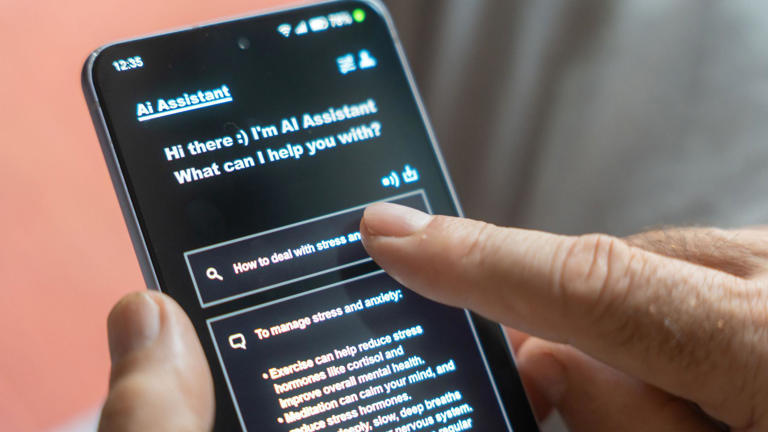
AI Chatbot Health Advice is rapidly becoming a popular alternative for people searching for quick medical guidance online. With tools like ChatGPT, Gemini, and Grok available 24/7, users are turning to artificial intelligence instead of waiting for traditional medical consultations. While this technology offers convenience and instant responses, experts warn that it can sometimes deliver incorrect or misleading information that may put health at risk.
Why People Rely on AI Chatbot Health Advice
Many individuals use AI Chatbot Health Advice because healthcare systems are often overloaded, making it difficult to get timely appointments. AI chatbots provide immediate responses, which makes them appealing for people dealing with anxiety, uncertainty, or minor symptoms. Some users even feel that chatting with AI is similar to having a basic consultation with a doctor.
- Instant access to health-related answers anytime
- Reduced waiting time compared to GP appointments
- Perceived personalized responses based on symptoms
- Ease of use for people with health anxiety
Real-Life Experience: When AI Gets It Right and Wrong
Some users report positive experiences with AI medical guidance. For example, a user named Abi from Manchester used an AI chatbot to identify a possible urinary infection, which was later confirmed by a pharmacist and treated with antibiotics. In this case, the AI helped her take timely action without unnecessary hospital visits.
However, the same user also experienced a dangerous misdiagnosis. After a hiking accident, she reported severe back pain, and the chatbot incorrectly suggested she may have a punctured organ requiring emergency care. After hours in A&E, it turned out to be a less serious injury, highlighting how AI Chatbot Health Advice can sometimes exaggerate or misinterpret symptoms.
What Experts Say About AI Medical Guidance
Medical professionals express growing concern about the reliability of AI Chatbot Health Advice. According to leading health experts, AI systems often produce answers that sound confident but may not always be accurate. This creates a risk where users trust incorrect medical suggestions without proper verification.
- AI responses may sound authoritative but lack clinical accuracy
- Misinterpretation of symptoms can lead to false emergencies
- Users may delay proper medical treatment
- Over-reliance on AI reduces consultation with real doctors
Research Findings on AI Accuracy
Studies conducted by academic institutions show mixed results regarding AI in healthcare. When medical scenarios are clearly defined, AI systems can perform with high accuracy. However, when real users describe symptoms in an unstructured way, accuracy drops significantly due to missing or unclear information.
Research indicates that while AI can reach up to 90%+ accuracy in controlled environments, real-world conversations between humans and chatbots reduce correctness dramatically, sometimes leading to incorrect diagnoses or unsafe recommendations.
Why AI Gets Medical Advice Wrong
The main issue behind unreliable AI Chatbot Health Advice lies in how these systems work. They are designed to predict language patterns rather than understand medical conditions deeply. This means they can sound convincing even when the information is incorrect.
- AI predicts text instead of diagnosing conditions
- It depends on incomplete or unclear user input
- Medical context can be misunderstood easily
- Responses may lack professional verification
Safer Ways to Use AI for Health Information
Despite its risks, AI Chatbot Health Advice can still be useful when used responsibly. The key is to treat it as a general information tool rather than a medical expert. Always verify critical health concerns with qualified professionals.
- Use AI for general health education only
- Cross-check information with trusted medical websites
- Consult doctors for serious or unclear symptoms
- Avoid making medical decisions based only on AI responses
Expert Warning for Users
Health experts strongly advise that users should not fully rely on AI for diagnosis or treatment decisions. While AI can support awareness and provide general suggestions, it should never replace professional medical advice. The risk of misinterpretation remains high, especially in urgent or complex conditions.
Conclusion: Should You Trust AI Chatbot Health Advice?
AI Chatbot Health Advice is a powerful tool, but it is not a replacement for professional healthcare. It can help users understand symptoms and explore possibilities, but it also carries the risk of incorrect or misleading guidance. The safest approach is to use AI as a starting point—not a final authority—and always confirm important health decisions with medical professionals.
For more insights, check OpenAI Agents AI 5 Sandbox Secuirty Governance Power Cloud.